- Wednesday, 29 July 2026

The Promised Years
 ROSHNA KHADKA
ROSHNA KHADKA
ROSHNA KHADKA
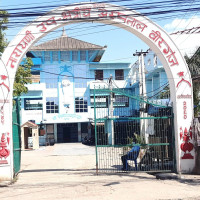
The end of SEE was also a new beginning, which came with dreams. When I enrolled in Little Angels’ +2 programme, I dreamed of the stories of seniors who came before, of bustling hallways, festival celebrations, spontaneous friendships, and the electric chaos of adolescence, which painted a picture of high school that felt almost cinematic.
Then the world shut down.
The COVID-19 pandemic arrived with the force of an undefeatable supervillain, and suddenly, I was fighting a war I wasn’t prepared for. The classrooms I had dreamed of became a rectangle on Zoom. The teachers, who were supposed to guide me through transition, appeared as pixelated faces, and friends who were supposed to be my rocks appeared as Discord memes. For the majority of 11th grade, education was experimental, and I was the test subject.
Online classes, in retrospect, were a necessary response to an unprecedented crisis. But they were also inefficient. Glitches interrupted lessons. Internet connections faltered. The rhythm of learning, the natural cadence of questions, answers, and side conversations were lost in the static. I was present, but I was not fully there. And I knew it.
Then came a flicker of hope. When classes began for 12th grade, schools reopened. For a brief window, I experienced what was promised: crowded hallways, real conversations, and strict teachers. Even the maroon coat that I dreaded became a source of happiness. Lessons became easier, assignments became harder, but a sense of normalcy was built. It was not perfect, but it was real.
The administration ran the school like a well-oiled machine. And then there were teachers, strict, demanding, and utterly unforgettable. Punishment, in retrospect, seemed designed to be theatrical. Being sent to the principal’s office for the smallest infraction at the time felt like the end of the world.
Little Angels itself was a place that felt almost cinematic in its beauty, sprawling grounds, carefully tended gardens, and a swimming pool that glistened under the sun. Yet for all its beauty, it remained mostly out of reach. That's because the ground shook again. The second wave of COVID-19 was not a disappointment; it was a quiet heartbreak. Returning to online classes after attaching personal tables with friends, despite the teacher's warning, was a challenge I was not prepared for. Although I was facing the same problem twice, the experience was completely different. The first time was hurtful, but the second time cemented the pain.
What makes this experience complicated is not my loss but the comparison. When I look at juniors who walk the hallways without masks, who attend football competitions and eat greasy canteen food, I feel two things at once: envy and relief. A pang of envy because they got what I was promised and a quiet sense of relief because someone, at least, got to experience it fully. I am glad they got what they wanted, but I cannot help but wonder about my loss.
This is not a lament. It’s an acknowledgement. I was in a batch caught between two worlds, the one I was told to expect and the one I experienced. I survived. I adapted. I graduated with a resilience I didn’t know I had. Perhaps that was the legacy of COVID-19: to make peace with what I could not have.
(Khadka is an intern with TRN.)