- Wednesday, 29 July 2026

Utilise Barren Land


The abandonment of productive lands in Nepal depicts the worst scenario of rural areas where agriculture was once the source of livelihoods. In one district, arable land, which was producing crops, has been lying fallow and is being converted into pastures and forests. In other districts, the livestock shelter at higher altitudes, maintained by generations of herders, is deteriorating due to lack of maintenance. These stories from different parts portray an unpleasant truth about Nepal losing its agricultural and pastoral identity. The main cause is the migration which depleted the villages of labourers. Monkey menace has made cultivation of crops more difficult in many hill settlements. Livestock farming, the main occupation of the mountain dwellers, no longer interests the new generation because they are after education or jobs outside the village. These are valid concerns, but there is no need to make excuses out of them. However, the more alarming issue is the lack of a proper response from the concerned authorities to avoid further and perhaps permanent damage.
Irrigation channels are bringing water to farmlands that are no longer in use. Funds are being used for infrastructure improvement while the actual farmers have already gone missing. Such an approach may not yield good results. Irrigation projects are certainly needed, but infrastructure will not solve the problem until the labour shortage, damage by wildlife and poor market support are sorted out. Moreover, the emerging clash between conservation of wildlife and cultivation cannot be ignored either. It is true that conserving biodiversity is extremely important, but conservation will be impossible if local communities are compelled to give up the arable land due to the absence of effective methods to secure their crops from harm. Farmers must not be forced to pick one option out of two – either survive by growing crops or conserve wild animals. The reduction in livestock breeding is equally catastrophic for the mountain areas.
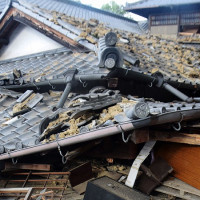
Pasture shelters are repositories of centuries of experience in animal husbandry and using fragile mountain ecosystems sustainably. With fewer animals, all this rationality fades away. The country is on the verge of losing its unique element of culture along with key economic resources. It is worrisome that even an unused piece of land decreases the amount of domestically produced food and increases dependency on foreign products. Each abandoned pasture undermines the economy of the mountains and causes the rural population to decline. There arise issues of who is going to take care of the forests and natural resources. It will take much more than just pleas for people to come back to the village to reverse this trend.
Agriculture should be economically feasible again. Wildlife conservation policies must be made practical and not just delayed commitments. Livestock farming needs better veterinary care, along with market access and incentives that acknowledge the economic significance of mountain-based products. Moreover, it is the responsibility of local authorities to survey the abandoned farmlands and consider cooperative farming, lease farming, and young farmers' ventures. The importance of agriculture as the backbone of Nepal’s economy is often reiterated. But how can this be true when the fertile lands lay barren and the traditional livestock shelters decay? Rural livelihoods cannot afford to wait anymore. Otherwise, the country will lose fertile land, livestock, and also the entire rural community and tradition.